Table Of Content
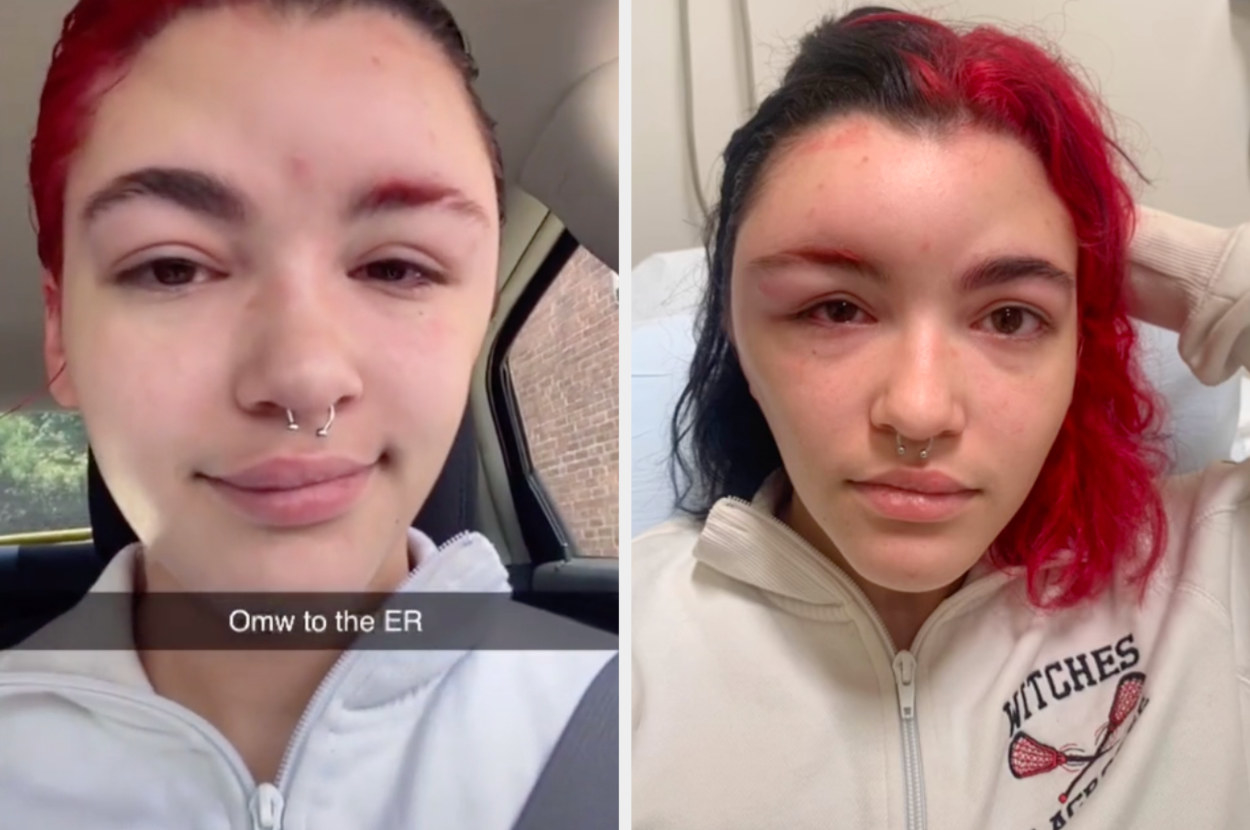
“Highlights and balayage are safer options because bleach does not contain PPD,” Paglionico says. Gloss and toner, which are used after highlights to add shine and soften freshly highlighted hair, typically don’t contain PPD and are applied to the hair, not the scalp. The PPD is usually mixed with peroxide in the dye to alter the hair color. What happens before this reaction is fully complete also makes the PPD more likely to interact with the skin and cause an allergic reaction.
Hair Dye Allergy Treatment
Another common chemical found in hair dye is para-toluenediamine (PTD), which can be tolerated better than PPD but may still cause an allergic reaction in many people. Hair dye allergy is not a trivial matter, and it should be taken seriously and treated promptly. By being aware of hair dye allergy and how to treat and prevent it, You can safeguard the condition of your scalp and hair and enjoy changing your hair color safely and confidently. Recovering from hair dye allergy and hair loss may take some time and patience, depending on the extent of the damage and your hair growth cycle.
Hair today: To dye or to die, that is the question - The Sunday Guardian Live - The Sunday Guardian
Hair today: To dye or to die, that is the question - The Sunday Guardian Live.
Posted: Sun, 07 Jan 2024 08:00:00 GMT [source]
The Dicey Ingredient in Your Hair Color
If you notice any redness, itching, swelling, or blistering, do not use the product. PPD is the chemical that is most frequently linked to a hair dye allergy. To find out if the brand contains PPD or any other ingredient that could trigger an adverse response, check the labels. They often appear in the form of contact dermatitis, a red, flaky, itchy rash in the areas of the skin that have come in contact with the dyed hair.
Other uses of PPD
At-home PPD allergy test Colourstart - CosmeticsDesign-Europe.com
At-home PPD allergy test Colourstart.
Posted: Wed, 07 Feb 2024 08:00:00 GMT [source]
Reversing these trends poses a significant challenge, as some individuals continue to use hair dyes even after being advised of their allergy risks. In a London retrospective survey, positive reactions to PPD on patch testing doubled over six years, reaching 7.1% in an adult contact dermatitis clinic. This increase in prevalence cannot be attributed solely to occupational exposure, medicolegal claims, or temporary "henna" tattoos containing high concentrations of PPD. The rising prevalence of hair dye allergies is a complex issue influenced by various factors. PPD can cause allergic reactions when it is partially oxidized, which happens when it is mixed with an oxidizer (such as hydrogen peroxide) and applied to the hair. The oxidized PPD can penetrate the hair shaft and the scalp and trigger an immune response in people who are sensitive to it.
Hair dyes contain a ton of harmful chemicals that can cause your skin to react adversely. To deliver this type of long-lasting color, often such products use p-phenylenediamine (PPD) and other alkaline chemicals to open the hair cuticles and deliver dye pigments deep into the cortex. Women and men that are looking for safe hair dyes for covering gray hair use oVertone’s coloring conditioner to preserve the natural oils in their hair and nourish their hair shafts.
As she explains, research estimates that 1 to 2 percent of users experience an allergic reaction and less than 1 percent a severe allergic reaction. Switching your hair color is an easy way to upgrade your look when a new season comes around and you’re itching to change things up. However, for someone with an allergy to para-phenylenediamine (PPD), it can be a challenge.
Undoubtedly, henna is the most widespread go-to coloring solution for both men and women globally. Due to it being nature’s aid for hair coloring, henna is praised as one of the most effective hair colorants even on the most sensitive scalps. Hair dyes can cause a variety of reactions, ranging from mild localized irritations to more serious allergic reactions.
Moreover, this essential oil can help maintain your hair color if you’ve recently dyed it. Lemon, beets, honey, and coffee are some of nature’s aids that can help your hair color transform naturally. Henna is the go-to choice for at-home hair care if you want a permanent hair color.
Homemade Hypoallergenic Hair Dyes to Try
Hair loss after hair dye allergy occurs due to inflammation of the hair shaft coupled with the removal of the cuticle, which can cause whole hair to split in two and become brittle. If you want to avoid the widest range of allergens, one of the most natural types of hair dye to use is henna. This is when it’s likely to cause allergic reactions in people who are sensitive to it. If you’ve ever had an artificially-colored cereal, candy, or beverage, you’ve likely consumed Red 40, a food dye commonly used to color ultra-processed foods and drinks. People who use hair dye should not keep the dye in the hair for longer than the recommended time, and it should be washed out thoroughly.

This implies that when they come into contact with a certain material, their skin may become red, dry, scaly, bumpy, blistered, or irritated (inflamed). The chemical may be an allergen, causing an allergic reaction that damages the skin, or an irritant, causing direct skin damage. Paraphenylenediamine (PPD), a recognized irritant and allergy, is a chemical found in many permanent and semi-permanent hair colors. Before purchasing or using any hair coloring product, make sure to review the ingredients list on the label or the manufacturer's website.
The team then examined the dyes in a test commonly used in the cosmetics industry to determine if a product is a skin sensitizer. Five of the modified dyes were "weak" sensitizers, whereas PPD was "moderate." Another test showed that the new compounds generated a reduced inflammatory response in cells compared to PPD. These results suggest that the new dyes can effectively color hair while also avoiding the potential allergenic and sensitization risks of more traditional ones. Five of the modified dyes were “weak” sensitizers, whereas PPD was “moderate.” Another test showed that the new compounds generated a reduced inflammatory response in cells compared to PPD. It has a reputation of being an allergen for those with sensitive skin or some dry skin conditions. Free of allergy-triggering ingredients like para-phenylenediamine, ammonia, resorcinol, phthalates, and parabens, the Manic Panic hair dye is another superb, hypoallergenic hair dye.
Contact dermatitis is not an uncommon symptom of this allergic reaction. This may even develop into hives and in some very rare cases, anaphylaxis. This 100% pure botanical coloring product contains no artificial fragrance; most importantly, it’s paraphenylenediamine-free. Coming in 8 color variations, it offers a safe option to cover gray hair for those with sensitive scalps who need more than just a boring black shade.


No comments:
Post a Comment